The Ultimate Guide to Water Tank Covers: Enhancing Safety, Efficiency, and Aesthetics
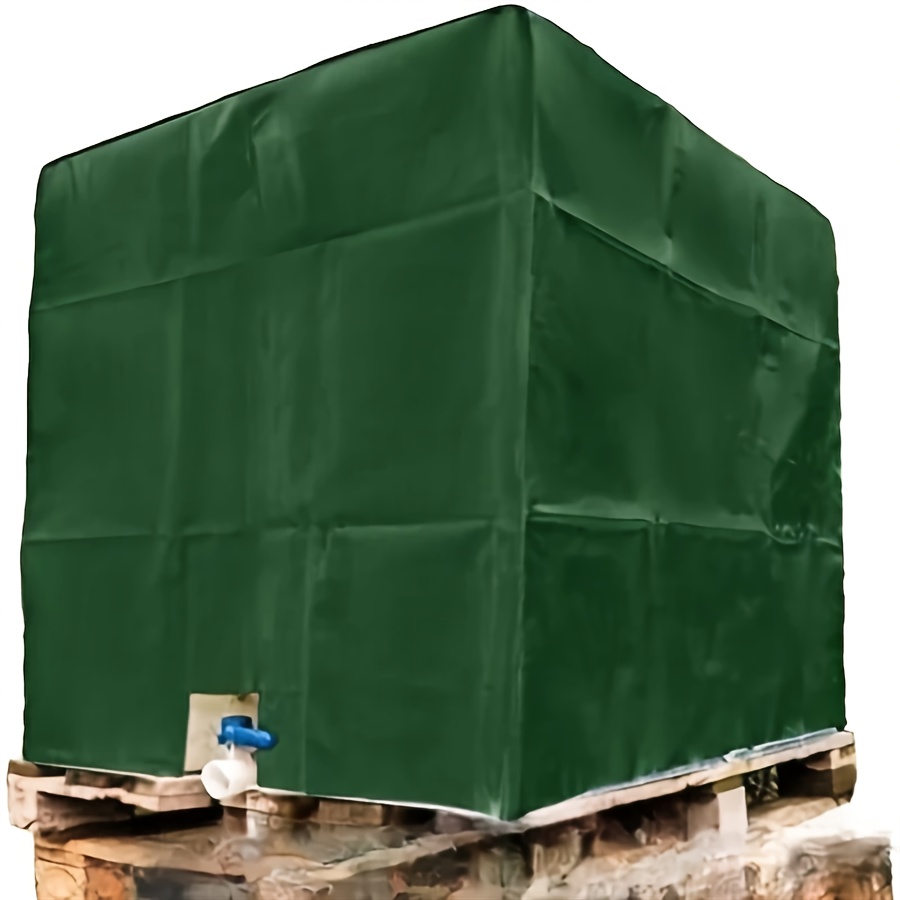
Table of Contents
- Why Your Water Tank Cover Matters More Than You Think
- The Critical Role of Water Tank Covers in Maintaining Water Quality
- Regulatory Compliance and Peace of Mind
- Types of Water Tank Covers: Finding the Perfect Fit for Your Needs
- 1. Fixed (Permanent) Covers
- 2. Removable Covers
- 3. Mesh Covers
- 4. Custom and Decorative Covers
- 5. Solar or Insulated Covers
- Choosing the Right Water Tank Cover: Key Considerations
- 1. Tank Size and Shape
- 2. Material Durability
- 3. Climate and Environmental Factors
- 4. Ease of Installation and Maintenance
- 5. Budget and Long-Term Costs
- 6. Aesthetic Appeal
- Installation and Maintenance Tips for Longevity
- Installation Best Practices
- Maintenance Guidelines
- Innovative Solutions: Beyond Basic Water Tank Covers
- 1. Smart Covers with Sensors
- 2. Solar-Powered Covers
- 3. Modular and Expandable Designs
- 4. Eco-Friendly Materials
- 5. Aesthetic Integration with Greenery
- Conclusion: Elevate Your Water Storage with the Right Tank Cover
Why Your Water Tank Cover Matters More Than You Think
Imagine waking up to a fresh morning, pouring yourself a glass of water, and taking a sip—only to realize that the water in your tank might not be as clean or safe as you thought. Contaminants, debris, and even pests can easily find their way into an uncovered water tank, turning your essential resource into a health hazard. This is where a water tank cover comes into play. More than just a protective barrier, a high-quality water tank cover ensures the purity of your water, enhances efficiency, and even elevates the aesthetics of your property. Whether you're a homeowner, business owner, or facility manager, understanding the significance of a water tank cover can transform how you view this often-overlooked component of your infrastructure.
The right water tank cover isn’t just about keeping leaves and dirt out—it’s about creating a robust defense against environmental pollutants, reducing water evaporation, and preventing the growth of harmful algae and bacteria. In this comprehensive guide, we’ll explore the importance of water tank covers, the different types available, and how to choose the best one for your needs. We’ll also dive into installation tips, maintenance guidelines, and creative ways to make your water storage system both functional and visually appealing.
The Critical Role of Water Tank Covers in Maintaining Water Quality

Water quality is non-negotiable, especially when it comes to storage tanks that supply drinking water or irrigation systems. An uncovered tank is vulnerable to a myriad of contaminants, including dust, insects, bird droppings, and even industrial pollutants carried by wind or rain. These contaminants can seep into the water, leading to discoloration, unpleasant odors, and, in severe cases, waterborne diseases.
A water tank cover acts as the first line of defense against such infiltration. Here’s how it safeguards your water:
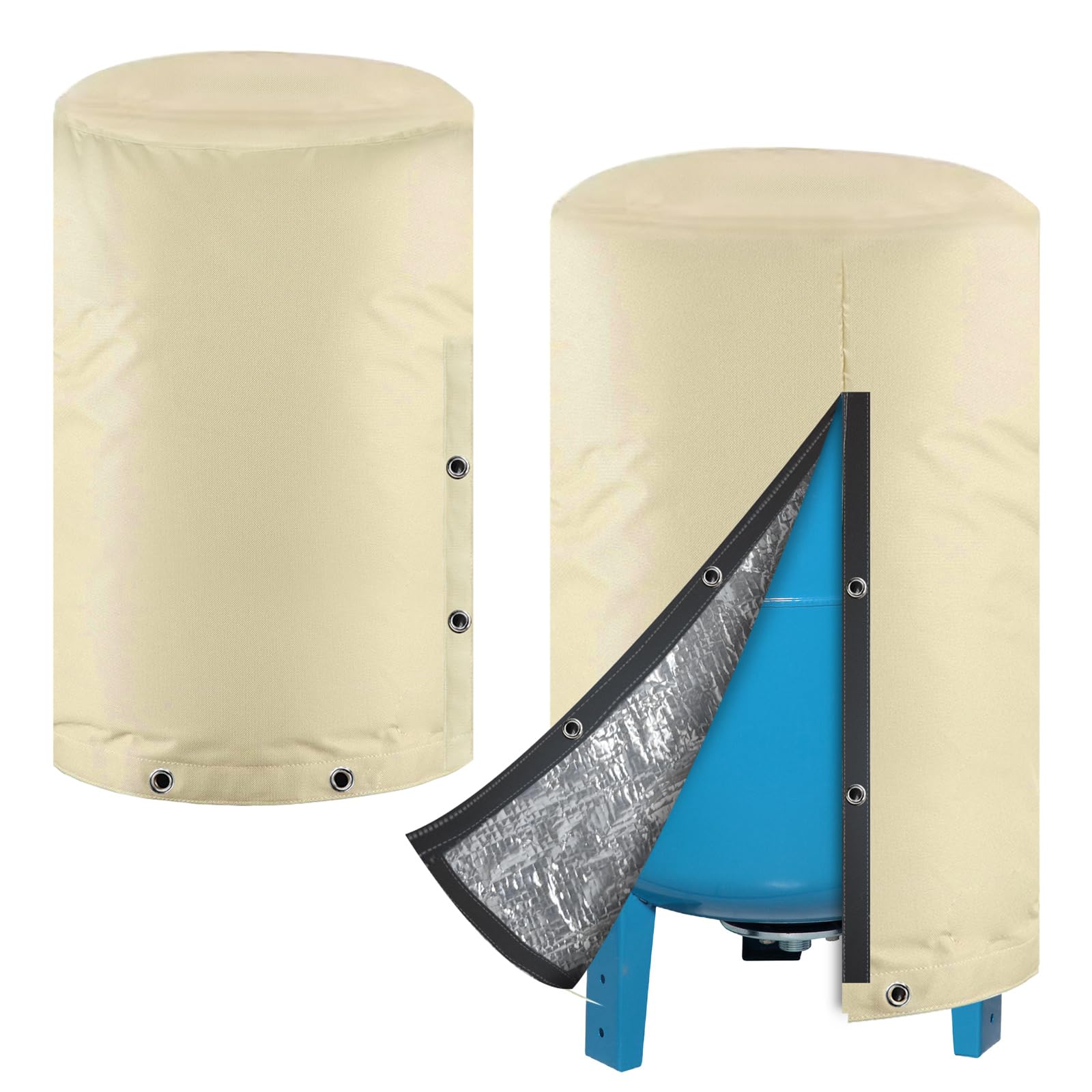
- Prevents Debris Entry: Covers block leaves, twigs, and other debris from falling into the tank, ensuring that only clean water enters your plumbing system.
- Reduces Contamination Risk: By limiting exposure to external elements, covers minimize the chances of bacterial growth, such as E. coli or Legionella, which thrive in stagnant water.
- Controls Evaporation: Open tanks lose a significant amount of water to evaporation, especially in hot climates. A well-sealed cover can reduce water loss by up to 90%, saving you money and conserving resources.
- Discourages Pest Infestation: Mosquitoes, rodents, and other pests are drawn to standing water. A cover eliminates breeding grounds, reducing health risks associated with these nuisances.
For facilities like schools, hospitals, or restaurants, maintaining pristine water quality is not just a preference—it’s a legal and ethical obligation. Investing in a durable water tank cover is a proactive step toward ensuring compliance with health and safety regulations.
Regulatory Compliance and Peace of Mind
Many regions have strict guidelines governing water storage systems, particularly for potable water. For example, the Environmental Protection Agency (EPA) in the U.S. and similar bodies worldwide emphasize the need for protected storage to prevent contamination. Using a water tank cover that meets these standards can save you from costly fines and legal issues while providing peace of mind that your water is safe for consumption.
Types of Water Tank Covers: Finding the Perfect Fit for Your Needs
Not all water tank covers are created equal. The type you choose depends on factors like tank size, material, budget, and specific requirements such as UV protection or customization. Here’s a breakdown of the most common types:
1. Fixed (Permanent) Covers
Fixed covers are securely attached to the tank, providing a seamless and watertight seal. They are ideal for large tanks or those requiring maximum protection against environmental elements.
- Materials: Typically made from fiberglass, stainless steel, or high-density polyethylene (HDPE).
- Pros: Durable, weather-resistant, and long-lasting. Perfect for permanent installations.
- Cons: More expensive and may require professional installation.
2. Removable Covers
Removable covers offer flexibility, allowing access to the tank for cleaning or maintenance. They are often used in residential settings or smaller commercial applications.
- Materials: Polypropylene, aluminum, or PVC.
- Pros: Affordable, easy to install, and can be removed as needed.
- Cons: May not provide a perfect seal if not fitted properly, leading to potential leaks.
3. Mesh Covers
Mesh covers are lightweight and allow for ventilation while keeping out large debris and pests. They are commonly used in agricultural or irrigation systems.
- Materials: Galvanized steel or aluminum mesh.
- Pros: Low cost, easy to install, and promotes airflow.
- Cons: Offers minimal protection against fine particles or pollutants.
4. Custom and Decorative Covers
For those looking to enhance both functionality and aesthetics, custom covers are an excellent choice. These can be designed to match your property’s architecture or branding.
- Materials: Fiberglass, wood, or composite materials.
- Pros: Unique design options, can double as a decorative feature.
- Cons: Higher cost and longer lead times for custom fabrication.
5. Solar or Insulated Covers
Innovative covers designed to regulate temperature, reducing energy costs for heating or cooling stored water. These are particularly useful in extreme climates.
- Materials: Specialized polymers or reflective materials.
- Pros: Energy-efficient, reduces thermal loss.
- Cons: Higher initial investment.
When selecting a water tank cover, consider your specific needs, such as the level of protection required, ease of maintenance, and long-term cost-effectiveness.
Choosing the Right Water Tank Cover: Key Considerations
Selecting the ideal water tank cover involves more than just picking a material or design. Several critical factors can influence your decision, ensuring you invest in a solution that aligns with your goals. Here’s what to keep in mind:
1. Tank Size and Shape
The dimensions of your tank play a significant role in determining the type of cover you need. A custom-fit cover ensures optimal protection and prevents gaps that could compromise safety. Measure your tank accurately and consult with a supplier to explore tailored options.
2. Material Durability
The material of your water tank cover should withstand environmental stressors such as UV radiation, temperature fluctuations, and physical wear. For example:
- Fiberglass: Resistant to corrosion and UV rays, ideal for long-term use.
- Stainless Steel: Extremely durable and suitable for harsh conditions.
- HDPE/Polypropylene: Lightweight and cost-effective, but may degrade under prolonged sun exposure.
3. Climate and Environmental Factors
If you live in an area with heavy rainfall, strong winds, or extreme temperatures, prioritize a cover with enhanced sealing and insulation properties. For instance, a cover with a UV-resistant coating is essential in sunny regions to prevent degradation.
4. Ease of Installation and Maintenance
Consider how easily you can install and maintain the cover. Removable covers are user-friendly for DIY enthusiasts, while fixed covers may require professional assistance. Additionally, choose materials that are easy to clean to prevent the buildup of algae or mold.
5. Budget and Long-Term Costs
While it might be tempting to opt for the cheapest water tank cover, remember that durability and performance are key. Calculate the long-term savings from reduced water loss, lower maintenance costs, and extended lifespan to justify your investment.
6. Aesthetic Appeal
If your water tank is visible, such as in a residential backyard or commercial property, consider covers that blend seamlessly with your surroundings. Custom designs or colors can transform an unsightly storage tank into a cohesive part of your landscape.
Installation and Maintenance Tips for Longevity
Even the best water tank cover will only perform optimally if installed and maintained correctly. Follow these tips to ensure your cover lasts for years and continues to protect your water effectively.
Installation Best Practices
- Clean the Tank: Before installing the cover, thoroughly clean the tank to remove any debris, algae, or sediment that could interfere with the seal.
- Check for Damage: Inspect the tank for cracks, rust, or leaks. Address any issues before covering the tank to prevent future problems.
- Measure Accurately: Ensure the cover fits snugly. For custom covers, work with a professional to achieve a precise fit.
- Secure Properly: Use appropriate fasteners or adhesives recommended by the manufacturer to secure the cover tightly.
- Test the Seal: After installation, fill the tank with water and check for any leaks around the edges of the cover.
Maintenance Guidelines
Regular maintenance extends the life of your water tank cover and ensures it continues to function effectively:
- Inspect Monthly: Look for signs of wear, such as cracks, warping, or deterioration, especially after severe weather.
- Clean Regularly: Remove dirt, leaves, and other debris from the cover’s surface. Use mild soap and water for cleaning to avoid damaging the material.
- Check Seals and Fasteners: Ensure that all seals remain intact and that fasteners are secure. Replace any damaged components promptly.
- Prevent Algae Growth: If your cover is exposed to moisture, apply an anti-algae treatment to prevent buildup.
- Professional Servicing: Schedule periodic inspections by a professional to assess the cover’s condition and address any underlying issues.
By adhering to these practices, you’ll maximize the lifespan of your water tank cover and maintain the integrity of your water storage system.
Innovative Solutions: Beyond Basic Water Tank Covers
As technology and design evolve, so do the options for water tank covers. Innovative solutions are emerging to address specific challenges, such as water conservation, energy efficiency, and smart monitoring. Here are some cutting-edge ideas to consider:
1. Smart Covers with Sensors
Some advanced water tank covers are equipped with sensors that monitor water levels, temperature, and quality in real time. These smart covers can send alerts to your phone if they detect anomalies, such as leaks or contamination, enabling proactive maintenance.
2. Solar-Powered Covers
For off-grid or eco-conscious properties, solar-powered covers can help regulate water temperature using renewable energy. These covers often include built-in solar panels that heat or cool the water, reducing reliance on external energy sources.
3. Modular and Expandable Designs
Modular covers allow you to customize the size and shape of the cover as your storage needs change. This is particularly useful for businesses or households that may expand their water storage capacity in the future.
4. Eco-Friendly Materials
Sustainable materials, such as recycled plastics or biodegradable composites, are gaining popularity. These eco-friendly options reduce environmental impact while maintaining durability and functionality.
5. Aesthetic Integration with Greenery
For a natural and visually pleasing solution, some covers are designed to support the growth of plants or vines. This not only enhances the appearance of your property but also adds an extra layer of insulation.
Exploring these innovative options can help you future-proof your water storage system while aligning with your sustainability goals.
Conclusion: Elevate Your Water Storage with the Right Tank Cover
A water tank cover is far more than a simple protective layer—it’s a critical component of a safe, efficient, and aesthetically pleasing water storage system. By investing in the right cover, you’re not only safeguarding the quality of your water but also reducing costs, complying with regulations, and enhancing the overall value of your property.
Whether you prioritize durability, customization, or smart technology, there’s a water tank cover tailored to meet your unique needs. Take the time to evaluate your options, consider the long-term benefits, and choose a solution that aligns with your goals. With the right cover in place, you can enjoy peace of mind knowing that your water is protected, your system is efficient, and your property is enhanced.
Ready to upgrade your water storage? Start by assessing your current setup, exploring the types of covers available, and consulting with experts to find the perfect fit. Your water—and your future—will thank you.
Leave a Comment
Comments are moderated before appearing. The data you submit is processed according to the Privacy Policy of blog.poolsupplies.com.