The Versatile Power of Vegetable Glycerine: A Natural Solution for Health, Beauty, and More

Table of Contents
- Vegetable Glycerine: Nature’s Multipurpose Elixir
- What Is Vegetable Glycerine and How Is It Made?
- Sources of Vegetable Glycerine
- The Remarkable Benefits of Vegetable Glycerine
- 1. Hydration and Skin Health
- 2. Natural Cleaning and Household Uses
- 3. Culinary and Health Applications
- 4. DIY Crafts and Industrial Uses
- Vegetable Glycerine vs. Synthetic Glycerine: What’s the Difference?
- 1. Source
- 2. Purity and Safety
- 3. Environmental Impact
- 4. Cost
- How to Use Vegetable Glycerine in Your Daily Life
- 1. Skincare Recipes
- 2. Homemade Soap
- 3. Natural Cleaning Solutions
- 4. DIY Lip Balm
- 5. Culinary Experiments
- Where to Buy Vegetable Glycerine and What to Look For
- 1. Pure vs. Pre-Mixed Products
- 2. Purity and Certifications
- 3. Where to Shop
- 4. Storage Tips
- Potential Side Effects and Precautions
- Embracing the Natural Power of Vegetable Glycerine
Vegetable Glycerine: Nature’s Multipurpose Elixir
Imagine a substance that is both gentle on your skin and powerful enough to transform your health, beauty routine, and even household chores. A natural byproduct of plant oils, vegetable glycerine is one such miracle ingredient that has been quietly revolutionizing industries for decades. From skincare enthusiasts to DIY crafters, people are discovering the incredible versatility of this humble liquid. But what exactly is vegetable glycerine, and why should you consider adding it to your daily life? Let’s dive into the world of this natural wonder.
Derived from vegetable oils like palm, coconut, or soybean, vegetable glycerine is a colorless, odorless, and sweet-tasting liquid that serves as a humectant, meaning it attracts and retains moisture. Unlike synthetic alternatives, this plant-based compound is eco-friendly, non-toxic, and safe for most people, including those with sensitive skin or dietary restrictions. Whether you're looking to enhance your skincare regimen, create natural cleaning products, or even improve your health, vegetable glycerine offers a myriad of benefits that are hard to ignore.
What Is Vegetable Glycerine and How Is It Made?
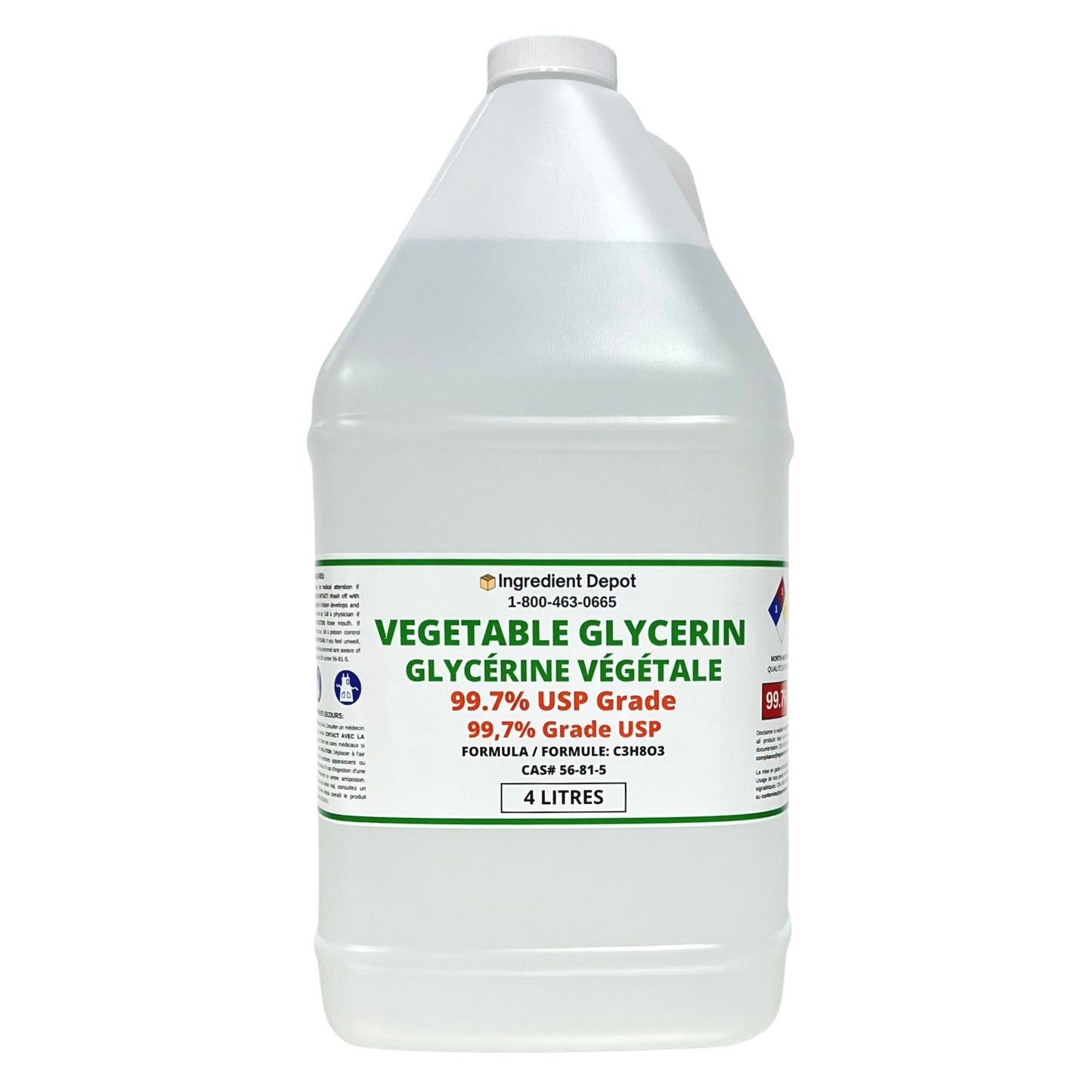
Vegetable glycerine, also known as glycerol or glycerin, is a simple sugar alcohol with the chemical formula C3H8O3. It is a natural byproduct of the process called saponification, which occurs when vegetable oils are converted into soap. During this process, glycerine is separated and purified to create the final product.
There are primarily two types of glycerine: vegetable glycerine and petroleum-based glycerine. While both serve similar purposes, vegetable glycerine is preferred by many due to its natural origin and biodegradability. It is often labeled as vegetable glycerin or plant glycerin to differentiate it from synthetic versions. The production process involves extracting glycerine from vegetable oils through hydrolysis or transesterification, ensuring it remains free from harsh chemicals or additives.

Sources of Vegetable Glycerine
The primary sources of vegetable glycerine include:
- Palm oil: One of the most common sources, especially in regions where palm oil production is prevalent.
- Coconut oil: Popular in tropical regions and favored for its sustainability and low environmental impact.
- Soybean oil: A widely available source, particularly in North America.
- Corn oil: Another agricultural byproduct, often used in the United States.
- Cottonseed oil: Less common but still a viable option in certain regions.
Each source contributes to the sustainability of vegetable glycerine, making it an excellent choice for those who prioritize eco-friendly products.
The Remarkable Benefits of Vegetable Glycerine
So, why has vegetable glycerine gained such popularity across various industries? The answer lies in its multifunctional properties. Here are some of the most compelling benefits of incorporating vegetable glycerine into your life:
1. Hydration and Skin Health
One of the most celebrated uses of vegetable glycerine is in skincare. Thanks to its humectant properties, it effectively draws moisture from the environment into the skin, keeping it hydrated and supple. This makes it a staple ingredient in:
- Moisturizers and lotions
- Soaps and bath products
- Lip balms
- Hair conditioners
Unlike some synthetic moisturizers that can clog pores or cause irritation, vegetable glycerine is gentle and suitable for all skin types, including sensitive or acne-prone skin. Many people with eczema or psoriasis also find relief by using products containing vegetable glycerine.
2. Natural Cleaning and Household Uses
Vegetable glycerine isn’t just for personal care—it’s also a powerhouse in household cleaning. Its ability to dissolve in water and attract moisture makes it an excellent addition to:
- All-purpose cleaners: When mixed with water and essential oils, it creates a non-toxic cleaner that effectively removes dirt and grime.
- Dish soap: A few drops can enhance the cleaning power of homemade dish soaps without leaving residue.
- Laundry detergents: It helps soften fabrics and reduce static cling naturally.
- Air fresheners: When combined with essential oils, it creates a refreshing spray that eliminates odors without harsh chemicals.
What’s more, vegetable glycerine is biodegradable, making it a safer choice for the environment compared to conventional cleaning products.
3. Culinary and Health Applications
Believe it or not, vegetable glycerine has a place in the kitchen too! It is often used as a natural sweetener and humectant in:
- Candies and desserts
- Baked goods
- Energy drinks and supplements
In the realm of health, vegetable glycerine is known to support digestive health, act as a natural laxative, and even help manage blood pressure when consumed in moderation. It is also used in some pharmaceuticals as a solvent or excipient. However, it’s essential to note that while vegetable glycerine is generally recognized as safe (GRAS) by the FDA, excessive consumption can lead to digestive discomfort. Always use it in recommended amounts.
4. DIY Crafts and Industrial Uses
Creatives and artisans love vegetable glycerine for its role in DIY projects. It is commonly used in:
- Soap making: Acts as a moisturizing agent and helps create a smoother soap texture.
- Candle making: Prevents cracking and extends the life of candles.
- Potpourri and incense: Enhances the binding of scented materials.
- Leather treatment: Conditions and softens leather products.
Industrially, vegetable glycerine is used in the production of cosmetics, pharmaceuticals, and even as a lubricant in certain machinery. Its non-toxic nature makes it a preferred choice in many applications.
Vegetable Glycerine vs. Synthetic Glycerine: What’s the Difference?
When shopping for glycerine, you might come across both vegetable glycerine and synthetic glycerine. While they share similar properties, there are key differences that can influence your choice:
1. Source
Vegetable glycerine is derived from plant oils, making it a natural and biodegradable option. In contrast, synthetic glycerine is often produced from petroleum byproducts, which raises environmental and health concerns for some consumers.
2. Purity and Safety
Vegetable glycerine is typically free from contaminants and additives, making it safer for sensitive skin and internal use (in culinary applications). Synthetic glycerine may contain traces of impurities that could irritate some individuals.
3. Environmental Impact
As a plant-based product, vegetable glycerine is more sustainable and eco-friendly. Synthetic glycerine, being a petroleum derivative, has a higher environmental footprint and is less biodegradable.
4. Cost
Vegetable glycerine is often slightly more expensive than synthetic glycerine due to its natural sourcing and production process. However, many consumers are willing to pay the extra cost for the added benefits of purity and sustainability.
If you’re looking for a product that aligns with your values of natural living and environmental responsibility, vegetable glycerine is the clear winner.
How to Use Vegetable Glycerine in Your Daily Life
Now that you’re convinced of the benefits of vegetable glycerine, how can you incorporate it into your daily routine? Here are some practical ways to harness its power:
1. Skincare Recipes
Create your own hydrating lotion by mixing:
- 1/4 cup of vegetable glycerine
- 1/4 cup of distilled water or rose water
- 1 tablespoon of aloe vera gel
- A few drops of essential oil (e.g., lavender or tea tree)
Store in a dark bottle and apply to damp skin for maximum hydration.
2. Homemade Soap
Add 1 tablespoon of vegetable glycerine per pound of soap base to create a moisturizing bar. This will leave your skin soft and smooth without the dryness often associated with traditional soaps.
3. Natural Cleaning Solutions
Make an all-purpose cleaner by combining:
- 1 cup of water
- 1/4 cup of vegetable glycerine
- 1/4 cup of white vinegar
- 10 drops of essential oil (e.g., lemon or eucalyptus)
Shake well and use to clean countertops, floors, and other surfaces.
4. DIY Lip Balm
Combine:
- 1 tablespoon of vegetable glycerine
- 1 tablespoon of beeswax
- 1 tablespoon of coconut oil
- A few drops of peppermint or vanilla essential oil
Melt the ingredients together, pour into small containers, and let them solidify for a nourishing lip balm.
5. Culinary Experiments
Use vegetable glycerine as a natural sweetener in:
- Homemade candies
- Energy bites
- Herbal teas (a few drops can enhance flavor)
Remember to use it sparingly, as it is much sweeter than sugar.
Where to Buy Vegetable Glycerine and What to Look For
Vegetable glycerine is widely available in various forms, from pure liquid to pre-mixed products. Here’s what you need to know before making a purchase:
1. Pure vs. Pre-Mixed Products
Pure vegetable glycerine is the most versatile and cost-effective option. It comes in liquid form and can be used in countless DIY projects. Pre-mixed products, such as lotions or soaps, are convenient but may contain additional ingredients that you might prefer to avoid.
2. Purity and Certifications
Look for labels that indicate the product is 100% pure vegetable glycerine. Certifications like USDA Organic, Non-GMO, or COSMOS Organic can provide additional assurance of quality. Avoid products with artificial fragrances, colors, or preservatives.
3. Where to Shop
You can find vegetable glycerine in:
- Health food stores: Often carry pure, organic options.
- Online retailers: Websites like Amazon, eBay, or specialty stores offer a wide range of brands and sizes.
- Beauty supply stores: Great for pre-mixed products like lotions or soaps.
- Bulk stores: Ideal if you’re looking to buy in larger quantities for DIY projects.
Always check customer reviews and seller ratings to ensure you’re getting a high-quality product.
4. Storage Tips
Store vegetable glycerine in a cool, dry place away from direct sunlight. While it has a long shelf life, keeping it sealed and protected from moisture will maintain its potency. Most pure glycerine products can last for years if stored properly.
Potential Side Effects and Precautions
While vegetable glycerine is generally safe for most people, it’s essential to be aware of potential side effects and precautions:
- Skin irritation: Rare, but some individuals may experience mild irritation, especially if they have very sensitive skin. Always do a patch test before using new products.
- Digestive issues: Consuming large amounts of vegetable glycerine can cause diarrhea or stomach upset. Use it in moderation, especially in culinary applications.
- Allergic reactions: Although uncommon, some people may be allergic to specific sources of vegetable glycerine (e.g., coconut or palm oil). If you have known allergies, opt for a different source.
- Avoid eye contact: While vegetable glycerine is non-toxic, it’s best to avoid direct contact with the eyes. If accidental contact occurs, rinse thoroughly with water.
Pregnant or breastfeeding women and individuals with specific health conditions should consult a healthcare provider before using vegetable glycerine internally.
Embracing the Natural Power of Vegetable Glycerine
From enhancing your skincare routine to revolutionizing your cleaning habits, vegetable glycerine is a true all-rounder that deserves a place in every household. Its natural origins, versatility, and numerous benefits make it an excellent alternative to synthetic products. Whether you’re a DIY enthusiast, a health-conscious individual, or simply someone looking to reduce their environmental footprint, vegetable glycerine offers a simple yet powerful solution.
As you explore the world of vegetable glycerine, don’t be afraid to experiment with different recipes and applications. The possibilities are endless, and the results—whether it’s softer skin, cleaner homes, or healthier lifestyles—are well worth the effort. So why wait? Dive into the world of this natural elixir and discover the transformative power of vegetable glycerine for yourself.
Leave a Comment
Comments are moderated before appearing. The data you submit is processed according to the Privacy Policy of blog.poolsupplies.com.